Skip to content
There’s a paradox at the heart of modern entrepreneurship. We’re more connected than ever, LinkedIn networks stretching into thousands, WhatsApp groups for every industry vertical, conference badges stacked like trading cards, yet many business owners describe a persistent sense of professional isolation. The issue isn’t access to people. It’s access to the right conversations, at the right depth, with the right intent.
This is where the concept of a curated business community stops being a nice-to-have and becomes strategically essential.
Beyond Transactional Networking
Traditional business networking operates on a transactional premise: exchange cards, make pitches, extract value, move on. It’s efficient in its way, but exhausting and increasingly ineffective for founders navigating complex, long-term challenges.
The entrepreneurs who build enduring businesses aren’t just collecting contacts, they’re cultivating relationships with peers who understand the nuanced pressures of leadership, the loneliness of decision-making, and the compounding value of trust-based collaboration.
This shift from networking-as-transaction to community-as-ecosystem represents a fundamental reimagining of how professional growth actually happens. Sustainable business development isn’t built in elevator pitches. It’s built through repeated interactions, shared experiences, and the gradual accumulation of mutual respect and understanding.

What the Indian Entrepreneurs' Collective Represents
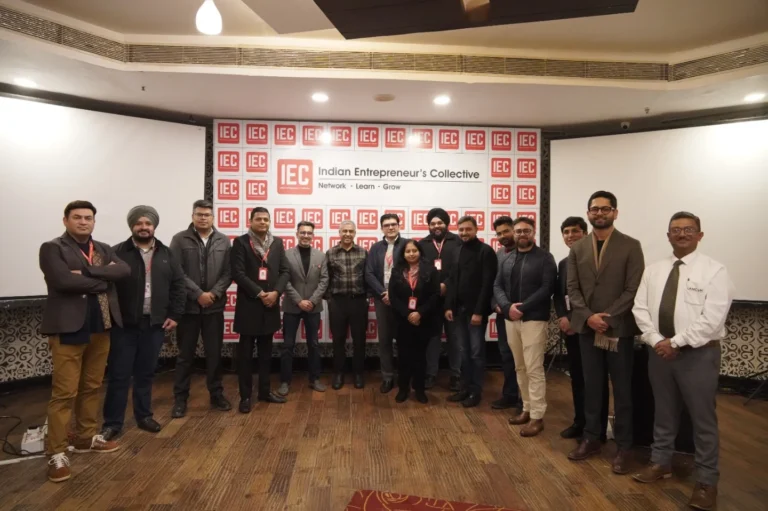
The Indian Entrepreneurs’ Collective (IEC) exists as a response to this evolution. At its core, it’s a peer-driven ecosystem designed for founders, startup leaders, family-business successors, and entrepreneurial professionals who recognize that growth—both personal and commercial, is rarely a solo endeavor.
Unlike open-access networking platforms, IEC operates with intentional curation. Membership isn’t about scale; it’s about fit. The community welcomes diverse business experiences while maintaining deliberate emphasis on peer-level connection, ensuring that when members share challenges or explore collaborations, they’re engaging with others who genuinely understand the stakes.
When everyone in a room has navigated cash flow crises, hiring mistakes, scaling anxieties, or existential questions about long-term commitment, the quality of conversation changes entirely.
Three Pillars: Networking, Learning, Growth

IEC’s structure reflects sophisticated understanding of what entrepreneurial professionals actually need beyond surface-level connections.
Networking with intention means relationship-building through repeated exposure, shared contexts, and collaborative problem-solving. The community facilitates both social gatherings and hands-on workshops, recognizing that trust develops through varied interaction.
Learning that’s peer-informed isn’t about celebrity speakers delivering motivational monologues. It’s about creating frameworks for members to learn from each other’s lived experiences. The most valuable lessons often come from the founder who navigated a similar challenge three years ago.
Growth as collective outcome operates on the premise that individual member success strengthens the entire ecosystem. When one member solves a challenge or successfully transitions leadership, that knowledge becomes accessible to others facing similar inflection points
Why Structure Matters
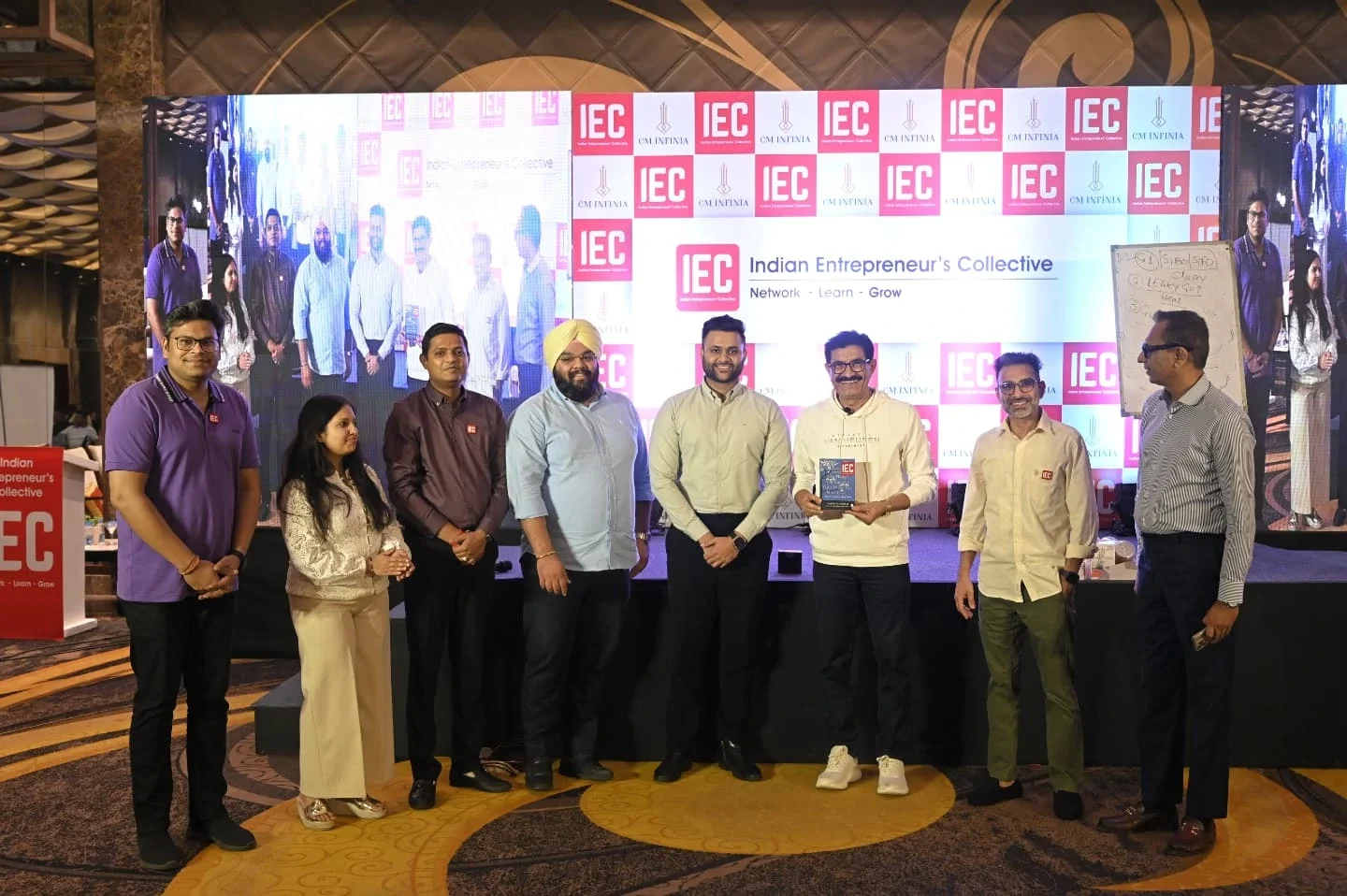
IEC operates with an elected Executive team serving annual terms, supported by a Governing Council of former Chairs who provide institutional memory. Leadership rotation ensures fresh perspectives while maintaining cultural continuity. Distributed responsibility across Finance, Learning, Membership, and Communications means the community isn’t dependent on any single person’s energy.
IEC’s explicit commitment to trust, respect, and zero discrimination isn’t merely aspirational, it’s functional architecture. In communities where real challenges get discussed, psychological safety isn’t optional. Different perspectives surface blind spots. When a family-business heir learns from a bootstrapped tech founder, and a corporate spinout leader exchanges insights with a social entrepreneur, the resulting collision of worldviews creates compound value that homogeneous groups cannot access.
The Long Game
What separates communities that endure from those that fizzle is understanding that value accrues over time, not overnight. Deep professional relationships—the kind that change trajectories, require repeated exposure, accumulated trust, and the patient work of showing up consistently.
A curated entrepreneur community like IEC functions as strategic infrastructure for today’s fragmented business landscape. It’s not a silver bullet. It’s something more modest and more essential: a reliable context for ongoing learning, relationship-building, and substantive exchange that helps serious professionals make better decisions over time.
That’s what IEC actually offers: not a shortcut, but a context. Not a guarantee, but a foundation. Not noise and hype, but signal and substance. For entrepreneurial professionals committed to building businesses that matter, that distinction changes everything.